
Loading your experience...
Loading your experience...

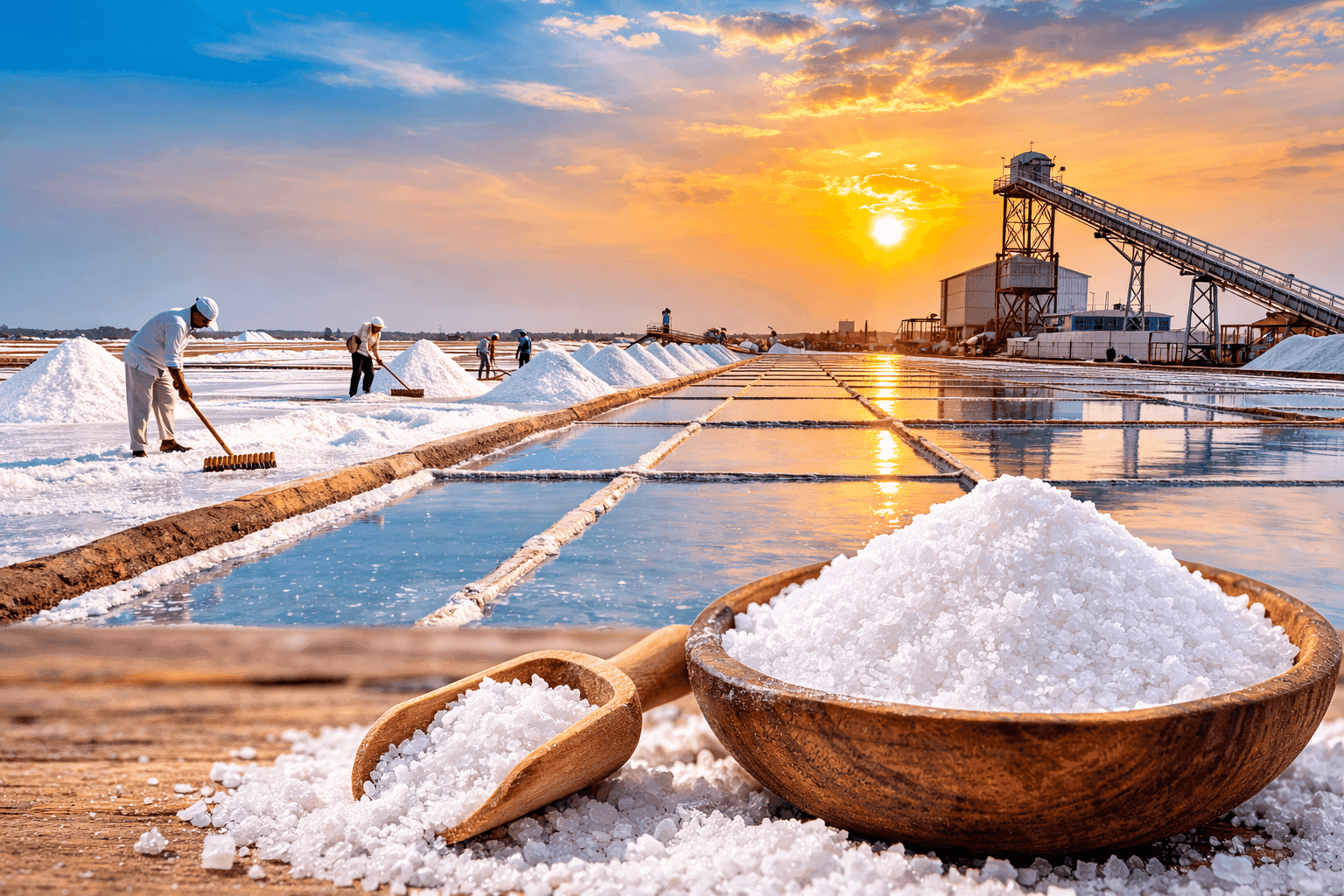
Edible salt production in India plays an essential role in both domestic consumption and international trade. India is one of the world’s largest salt-producing countries, producing millions of tonnes of salt every year for food, industrial, and export markets.
Edible salt, commonly known as table salt, is a refined form of sodium chloride that is processed and purified to meet food-grade standards. Leading suppliers such as Namakwala contribute to delivering high-quality edible salt products to households, food industries, and global buyers.
India has multiple natural sources for edible salt production due to its diverse geography and long coastline.
The majority of edible salt in India is produced from seawater using the solar evaporation method.
Some inland regions extract salt from underground brine reservoirs.
Natural salt lakes such as Sambhar Lake also contribute to edible salt production.
These sources enable India to maintain a strong edible salt manufacturing industry.
The edible salt production process involves several important stages to ensure purity and food safety.
Seawater is pumped into shallow salt pans constructed in coastal areas where sunlight and wind accelerate evaporation.
Solar evaporation gradually removes water and increases salt concentration until salt crystals begin to form.
Once crystallization occurs, salt is harvested from the salt pans and transported to processing facilities.
Raw salt is washed to remove impurities such as sand, clay, and other minerals.
Iodine is added to edible salt to help prevent iodine deficiency disorders and support public health.
The final refined salt is dried and packaged in moisture-resistant bags for distribution to markets and consumers.
The Indian edible salt industry produces several types of food-grade salt.
Finely refined salt commonly used in household cooking and food preparation.
Processed with anti-caking agents to ensure smooth pouring and long shelf life.
Salt fortified with iodine to support thyroid health and prevent iodine deficiency.
Companies like Namakwala focus on producing high-quality edible salt suitable for both domestic and international markets.
Several Indian states contribute significantly to edible salt production.
Gujarat produces the majority of India’s salt due to favorable coastal conditions and large salt pan areas.
Tamil Nadu is a major edible salt producer with large production centers near coastal regions.
Inland salt lakes such as Sambhar Lake contribute to edible salt production.
Edible salt is a fundamental ingredient in cooking and food preservation.
Key benefits include:
Because of these essential roles, edible salt remains one of the most widely consumed minerals worldwide.
India exports edible salt to many countries across Asia and Africa. The country’s large-scale production capacity, cost-effective manufacturing, and improving quality standards have strengthened its position in the global salt trade.
Companies such as Namakwala contribute to supplying export-quality edible salt to international markets.
The edible salt industry in India continues to grow due to rising demand for food-grade salt and increasing awareness about iodised salt consumption.
Advances in refining technology, packaging, and export infrastructure will further enhance India’s role as a global edible salt supplier.
Edible salt production in India is a vital industry supporting both public health and economic growth. Through solar evaporation, refining processes, and iodisation, India produces high-quality edible salt for domestic consumption and export markets.
With reliable suppliers like Namakwala, the industry continues to deliver safe, refined, and food-grade salt products to consumers around the world.
What is edible salt production in India?
Edible salt production in India refers to the manufacturing and refining of food-grade salt that is suitable for cooking and human consumption.
How is edible salt produced in India?
Edible salt is produced through solar evaporation of seawater, followed by washing, refining, iodisation, drying, and packaging.
Which state produces the most edible salt in India?
Gujarat is the largest salt-producing state in India.
Why is iodine added to edible salt?
Iodine is added to edible salt to prevent iodine deficiency disorders and support healthy thyroid function.
Is India a major exporter of edible salt?
Yes, India exports edible salt to several countries and is among the largest salt-producing nations globally.
Ghana is one of West Africa's fastest-growing industrial economies, with strong demand for high-quality industrial raw materials. Industries such as mining, water treatment, chemical processing, manufacturing, textiles, and food processing depend on reliable supplies of industrial salt for daily operations.
6/11/2026

La France possède l'un des secteurs industriels les plus avancés d'Europe, avec des besoins croissants en matériaux abrasifs performants pour la fabrication, la construction navale, les infrastructures, l'industrie métallurgique et les applications de haute précision.
6/10/2026
Deutschland gehört zu den weltweit führenden Industriestandorten und stellt höchste Anforderungen an Qualität, Präzision und Effizienz. Branchen wie Maschinenbau, Schiffbau, Stahlverarbeitung, Automobilindustrie und Infrastrukturprojekte benötigen leistungsstarke Abrasivmittel für anspruchsvolle Anwendungen.
6/1/2026
The global tuna industry depends heavily on advanced freezing systems to preserve the freshness, texture, and export quality of seafood during long fishing operations. For commercial tuna vessels operating from Bilbao, Spain, and major seafood fleets across France, maintaining premium-grade tuna quality is essential for international seafood markets.
5/28/2026
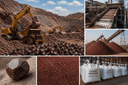
The United States is one of the world’s largest industrial markets with growing demand for high-performance abrasive materials used in manufacturing, marine engineering, steel fabrication, infrastructure, and heavy industrial applications.
5/21/2026
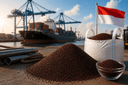
Indonesia merupakan salah satu negara industri terbesar di Asia Tenggara dengan pertumbuhan pesat di sektor manufaktur, konstruksi, galangan kapal, dan rekayasa berat. Industri-industri tersebut membutuhkan material abrasive berkualitas tinggi untuk mendukung proses produksi yang efisien dan presisi.
5/18/2026